When it comes to skin concerns, it’s natural to look for a single treatment that will address everything at once, whether that’s lifting, smoothing, improving texture or restoring radiance. But in reality, skin doesn’t work in such a simple, one-layered way.
Most common concerns are made up of multiple things happening at the same time. For example, a loss of firmness may be linked to deeper structural changes, while uneven texture or fine lines sit closer to the surface. At the same time, hydration levels and overall skin quality can influence how the skin looks and responds to treatment.
This means that concerns such as skin laxity, texture changes, dullness or loss of volume are rarely isolated. They exist across different layers of the skin, each requiring a slightly different approach.
From a clinical perspective, treating just one of these layers often means leaving others unaddressed. You may see some improvement, but not the balanced, refined result many people are hoping for.
What Is Treatment Stacking?
Treatment stacking, sometimes referred to as combination therapy, is a more considered approach to skin rejuvenation, where different procedures are strategically layered to address multiple aspects of the skin.
Rather than relying on a single procedure, treatment stacking involves selecting complementary procedures that work at different depths and functions within the skin. These may be carried out in stages over time, allowing the skin to respond, recover and build progressively.
The goal is not to do more, but to do what is most appropriate for the skin in front of you.
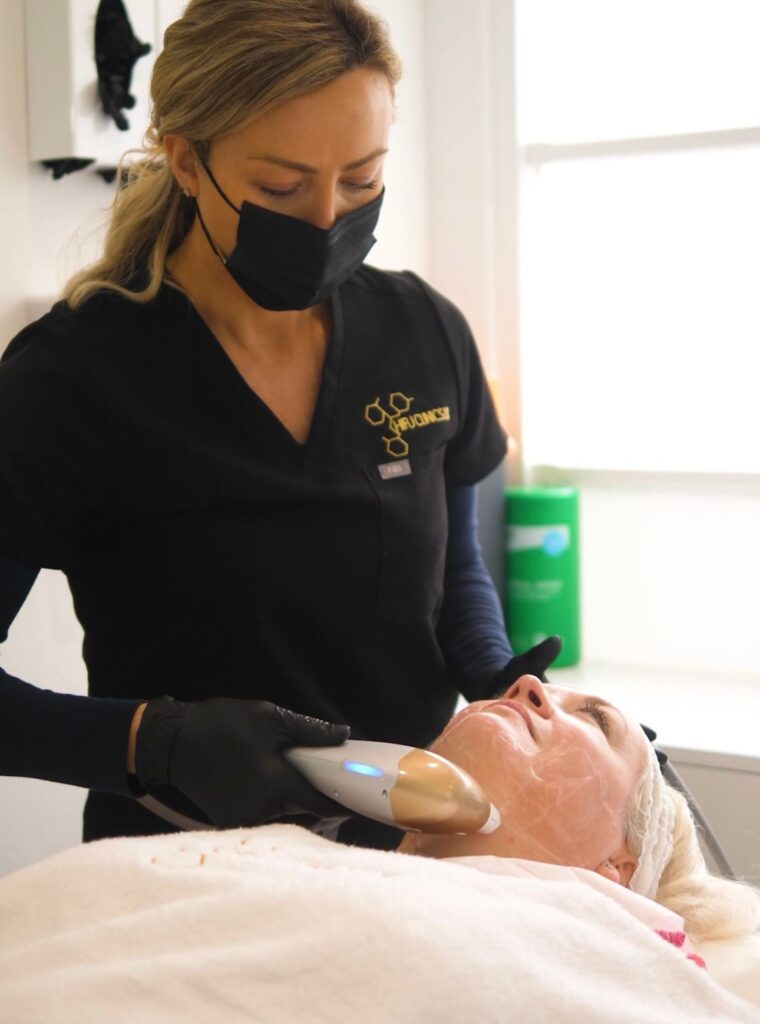
For example, one procedure may be used to stimulate deeper structural support, while another improves surface texture or enhances the skin’s regenerative response. When planned correctly, these procedures can work together to create more balanced, natural-looking results than any single procedure alone.
Importantly, treatment stacking is not about combining procedures for the sake of it, nor is it a pre-set package that applies to everyone. It is a clinically led strategy, designed around individual skin concerns, timing and long-term outcomes.
Why Layering Procedures Works
To understand why treatment stacking is effective, it helps to look at the skin in a more structured way.
The skin is made up of multiple layers, each with a different role. The deeper layers provide structural support and firmness, the mid-layers are responsible for collagen and elasticity, and the surface affects texture, tone and overall appearance.
Most procedures are designed to target one of these areas. For example, some work deeper to stimulate collagen and improve firmness, while others focus on refining texture or enhancing skin quality closer to the surface.
When only one layer is treated, the result can feel incomplete. You may notice improvement in one area, but other concerns remain, such as smoother skin without lift, or tighter skin that still lacks radiance.
Layering procedures allows each level of the skin to be addressed in a more balanced way. By combining approaches that target structure, collagen production and surface quality, the overall result is often more natural, more refined and longer-lasting.
From an expert perspective, this is where treatment planning becomes important. It’s not just about selecting effective procedures, but understanding how they interact, and how to build results gradually without overwhelming the skin.
The Expert Approach to Treatment Stacking
Treatment stacking, when done correctly, is not about combining as many procedures as possible; it’s about designing a structured, personalised protocol based on how your skin behaves and what it actually needs.
At HIFU Clinics, this process always begins with a detailed assessment. Factors such as skin thickness, level of laxity, collagen health, hydration and overall skin quality are all considered before any procedure is recommended.
A key part of this approach is precision in both selection and sequencing. Some procedures are used to build structural support, while others are introduced to refine, enhance or support the skin’s regenerative processes. Timing plays an important role, allowing the skin to respond and rebuild before the next stage is introduced.
What sets this apart from more general approaches is that nothing is standardised. There are no fixed combinations or preset packages. Instead, each treatment plan is carefully designed to work with your skin, not against it, ensuring that results develop gradually, naturally and in a way that feels balanced.
Examples of Treatment Stacking in Practice
While every treatment plan at HIFU Clinics is fully personalised, it can be helpful to understand how different procedures may be layered to address common skin concerns. These examples are intended to illustrate the principle of treatment stacking, rather than act as fixed protocols.
Skin Laxity
For concerns such as skin laxity combined with uneven texture, a deeper procedure like HIFU may be used to support structural lift and collagen production, while microneedling is introduced separately to refine the skin’s surface, improving smoothness and overall quality. By addressing both layers, the result is more balanced than treating either concern in isolation.
Menopausal Skin
In cases of thinner or menopausal skin, where both elasticity and skin quality are affected, regenerative procedures such as polynucleotides may be used to strengthen and hydrate the skin, alongside collagen-stimulating procedures like HIFU to improve firmness and support. This allows the skin to be supported both structurally and biologically.
Post-Weight Loss Skin
For post-weight loss skin changes, where there may be a combination of laxity, reduced volume support and changes in texture, a more layered approach may be considered. HIFU can help improve structural tightness, while procedures such as exosomes or microneedling can support regeneration and refine the skin’s surface over time.

A Smarter, More Considered Approach to Skin Rejuvenation
Skin rejuvenation is rarely about a single procedure or a quick fix. The most effective results come from understanding the skin in detail, how it changes, how it responds, and how different procedures can work together over time.
Treatment stacking, when guided by expertise, allows for a more intelligent and refined approach. Rather than chasing individual concerns in isolation, it focuses on supporting the skin as a whole, structurally, biologically and aesthetically.
This is where experience makes the difference. Knowing what to use is important, but knowing how to combine, sequence and adapt procedures is what ultimately leads to natural, balanced and long-lasting results.
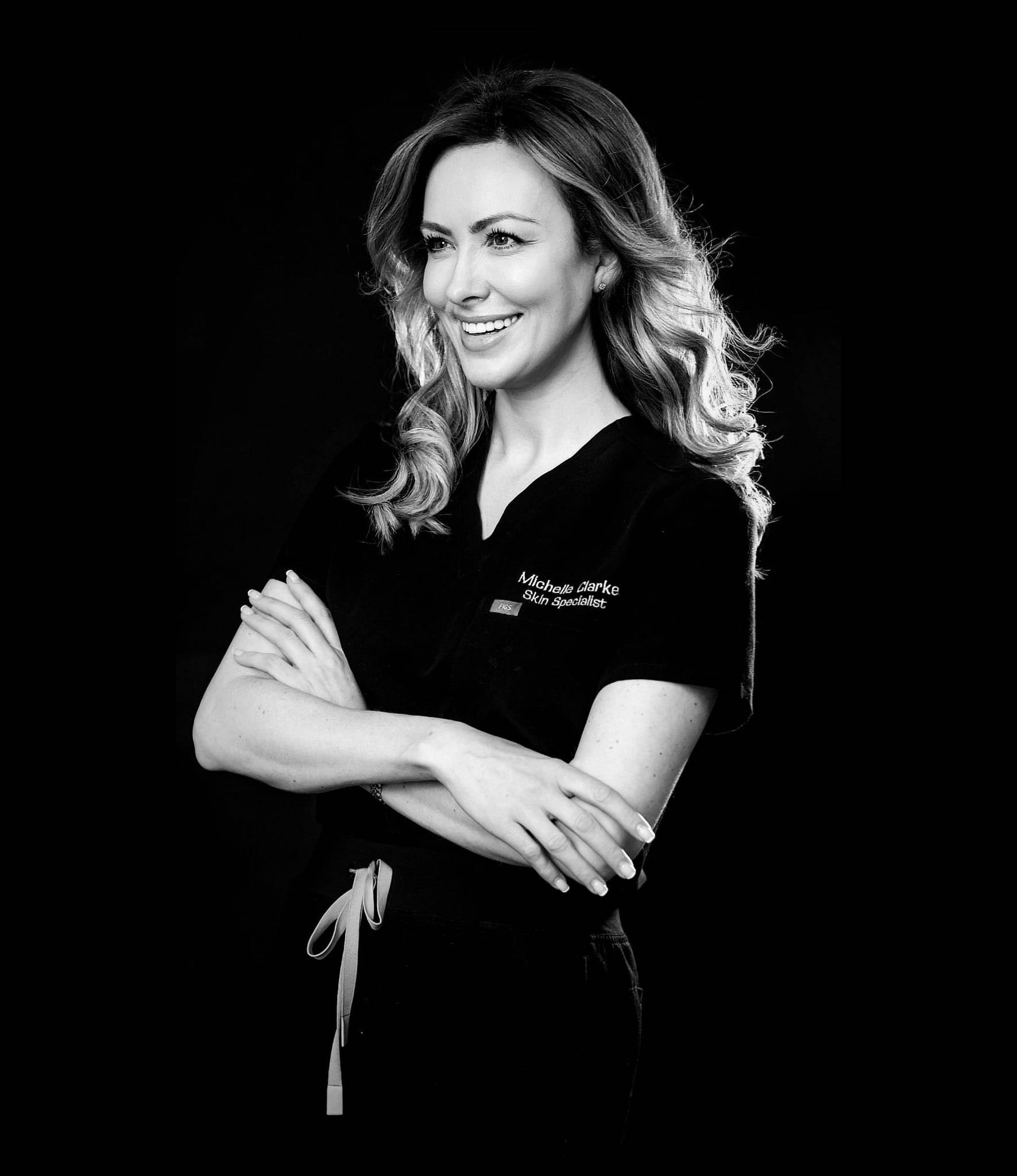
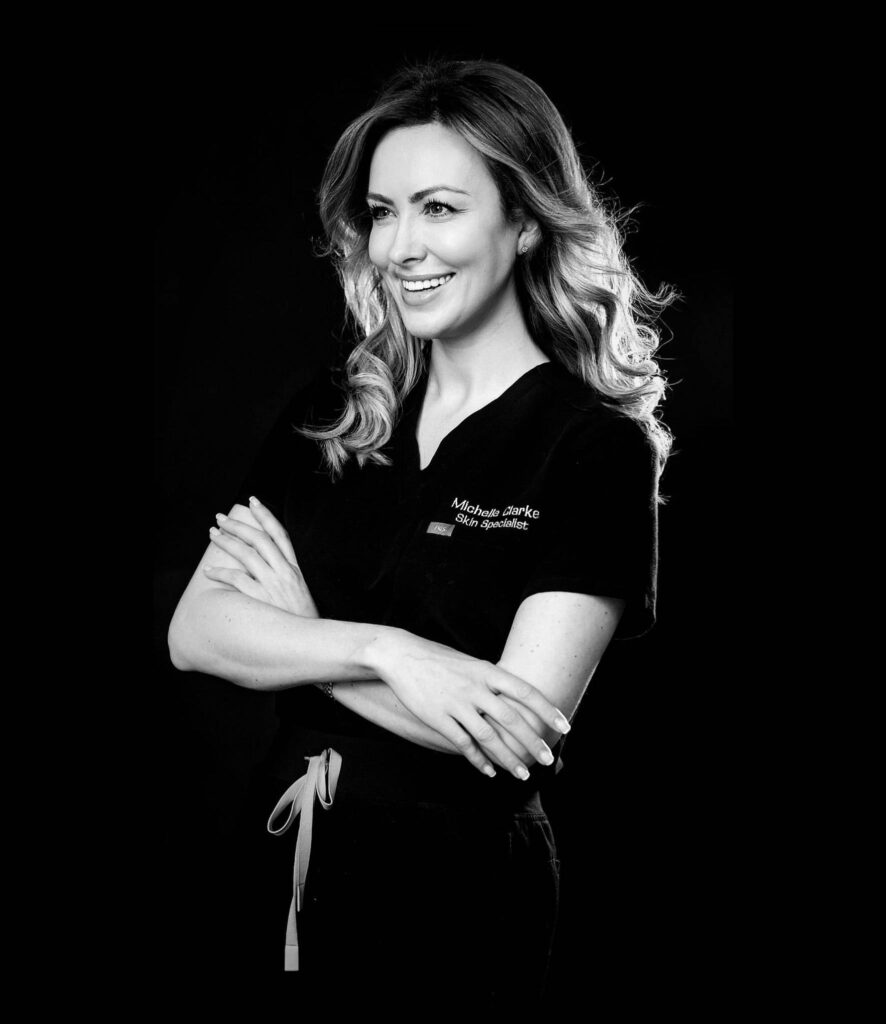
Michelle’s Skin Tightening Method™
Our Skin Tightening Method™, founded by Michelle Clarke, is a bespoke approach to treatment stacking designed to restore firmness, improve skin quality and support long-term skin health.
This method is not a fixed formula. It is a personalised protocol, carefully tailored to your skin, your concerns and how your skin responds over time. By combining procedures in a considered way, the focus is on achieving results that look natural, feel balanced and continue to improve.
If you’re looking for a more strategic, expert-led approach to skin tightening and rejuvenation, book a consultation to understand what your skin needs and how our Skin Tightening Method™ can help you achieve it.
Frequently Asked Questions
Treatment stacking refers to the strategic combination of different aesthetic procedures to address multiple layers of the skin. Rather than relying on a single procedure, procedures are carefully selected and timed to work together, improving overall skin quality, firmness and long-term results.
Most skin concerns, such as laxity, fine lines or uneven texture, involve multiple layers of the skin. A single procedure may improve one aspect, but not all. Combining them allows for a more balanced approach, targeting structure, collagen production and surface quality for more refined results.
Yes, when performed by an experienced practitioner. A personalised, clinically led approach helps ensure procedures complement each other without over-stressing the skin.
Common combinations may include procedures such as HIFU for deeper structural support, microneedling for surface refinement, and regenerative procedures like polynucleotides or exosomes to improve skin quality. The exact combination depends on individual skin concerns and goals.
The Skin Tightening Method™ is Michelle Clarke’s bespoke approach to treatment stacking at HIFU Clinics. It involves carefully selecting and sequencing procedures based on your skin’s condition to improve firmness, support collagen, and enhance overall skin quality over time.